The Anti-Haul Home
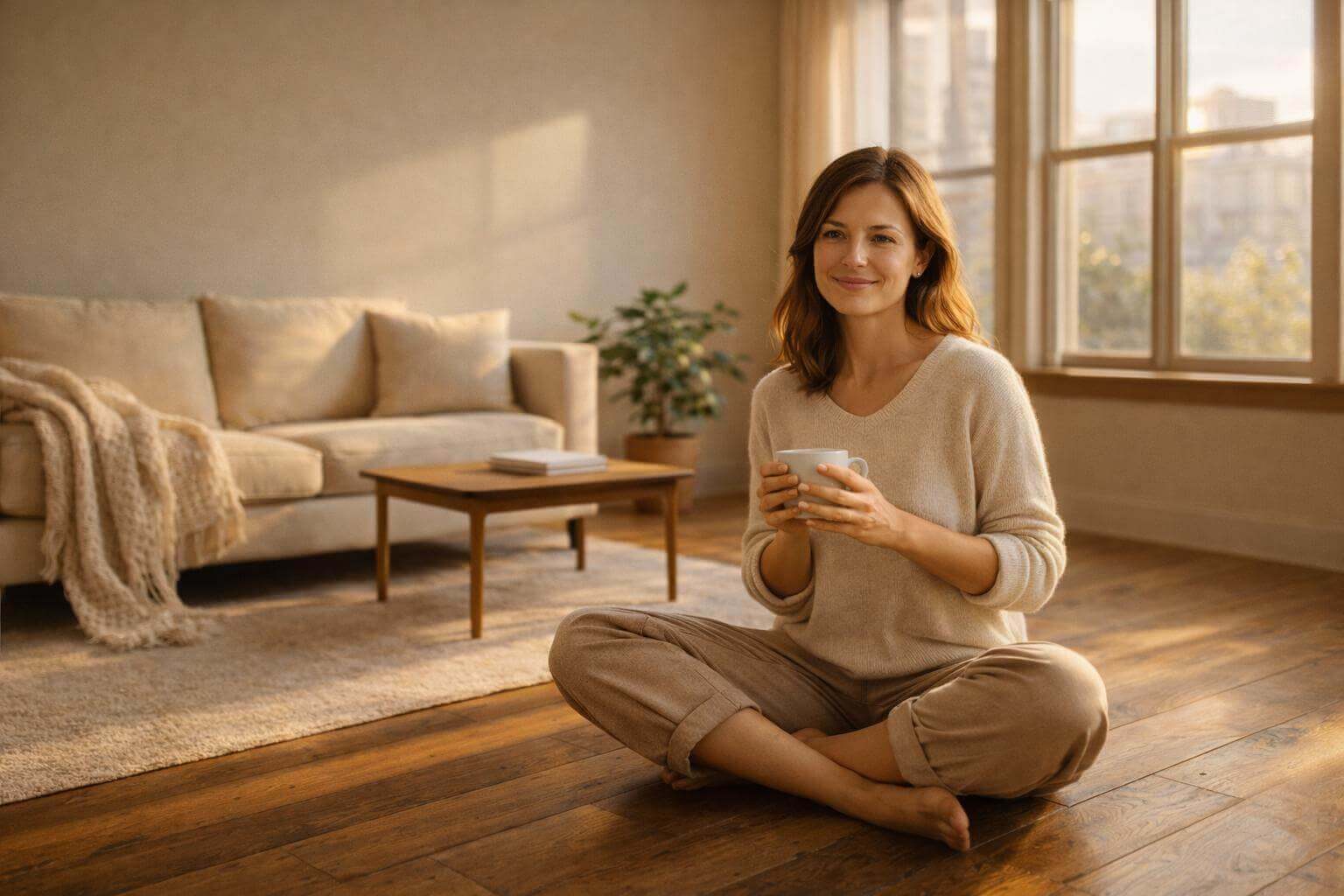
The Anti-Haul Home – Embracing Underconsumption in Interior Design
Why buying less, repairing more, and loving what you have is the ultimate 2025 aesthetic
The Problem We’re All Facing
Are you tired of scrolling through social media and seeing people buy endless amounts of new furniture, decorations, and home items? Do you feel pressure to constantly redecorate your home to keep up with the latest trends? You’re not alone.
In 2025, U.S. social commerce sales are projected to pass the $100 billion mark, meaning people are buying more things online than ever before. But here’s the reality: By 2018, Americans sent 10 million tons of furniture to landfills annually – that’s up from just 2.5 million tons in the 1960s. We’re buying more, throwing away more, and many homeowners are exhausted by this never-ending cycle.
The good news? There’s a refreshing new movement that’s changing how we think about our homes. It’s called “underconsumption core,” and it’s the complete opposite of buying, buying, buying.
What Exactly Is “Underconsumption Core”?
Think of it this way: Instead of constantly buying new things to make your home look good, the underconsumption core is about loving and using what you already have.
Underconsumption Core is a social media trend that encourages people to buy less, reuse or repair what they have, reduce waste, rediscover the value of what they already own and to live more sustainably.
According to research from Visibrain, over the past 30 days, TikTok has seen over 4,200 posts mentioning the underconsumption trend, and the average post receives 633 likes, nearly three times more than posts about buying new things. People are genuinely excited about this different way of living!
It’s Not Minimalism – It’s Essentialism
You might be thinking, “Isn’t this just minimalism?” Not quite! While minimalism focuses on aesthetics and functionality, underconsumption core is all about slowing things down and investing in high-quality, timeless pieces so that you redecorate less often.
It means:
- Keeping furniture until it truly needs replacing, not just because it’s “old”
- Fixing broken items instead of throwing them away
- Shopping your own home before shopping at stores
- Choosing items that will last 20, 30, or even 50 years
10 Ways to Create Your Underconsumption Core Home
1. Shop Your Own Home First

Before buying anything new, walk through your home with fresh eyes. Can you move furniture from one room to another? Could that old bookshelf work in a different spot? Rearranging gives your house new energy and makes everything feel new without spending a dime.
Action Step: Pick one room this weekend and try rearranging what’s already there. You might be surprised how different it feels!
2. Learn Basic Repair Skills
Instead of throwing away furniture when something breaks, learn to fix it! Basic upholstery (fixing the fabric on chairs and couches) and wood repair are easier than you think.
Where to Start: YouTube has thousands of free tutorials on furniture repair. Start with something simple like tightening loose chair legs or touching up scratched wood.
3. Buy Quality Items That Last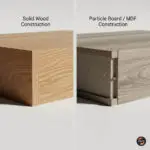
One of the best ways to approach the underconsumption trend is by investing in high-quality furniture that is built to last. Yes, quality items cost more upfront, but they save you money over time because you won’t need to replace them every few years.
How to Spot Quality:
- Solid wood construction (not particle board)
- Real screws and bolts (not just glue)
- Removable cushion covers you can wash or replace
- Traditional joinery (pieces that fit together like puzzles)
- Weight – quality furniture is usually heavier
4. Embrace Thrifting and Secondhand Shopping
Thrift stores, flea markets, yard sales in upscale and retirement communities, vintage and antique shops, as well as your family’s basements and attics are perfect places to start an underconsumption journey.
Pro Tips:
- Visit thrift stores in wealthier neighborhoods for higher-quality items
- Check Facebook Marketplace and Craigslist weekly
- Ask older relatives if they have furniture in storage they’d like to pass down
- Be patient – finding the perfect piece takes time!
5. Practice “Slow Decorating”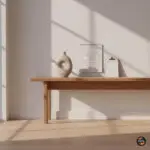
Slow decorating means taking the time to evaluate your space and needs before making any purchases. If you see something you like, wait at least 7 days before buying it. If you still want it after a week, it’s probably worth getting.
The 7-Day Rule: Add items to your online cart, but don’t check out. Wait a week. You’ll be amazed how many times you forget about items you thought you “needed”!
6. Fill Empty Spaces… or Don’t!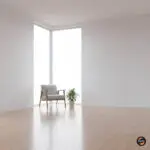
Here’s a secret: You don’t need to fill every corner of your home with furniture or decorations. Empty space is actually good! It makes rooms feel larger, cleaner, and more peaceful.
Confidence Tip: The “empty corner” confidence means embracing why you don’t need to fill every inch of space. If a spot looks fine empty, leave it empty!
7. Use What You Have Until It’s Empty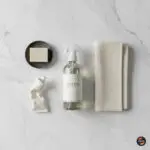
This is called “project pan” in the beauty world, but it works for home items too. The idea means using all of a product until it’s empty before buying more.
Apply This To:
- Cleaning supplies (finish one bottle before buying another)
- Paper products (use up what’s in your closet)
- Candles (burn them completely, don’t save them)
- Linens (use towels until they’re actually worn out, not just faded)
8. Repurpose and Get Creative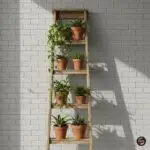
Underconsumption means looking at something in a new light, seeing the potential something can have, not just its primary function.
Creative Ideas:
- Old ladders become plant shelves
- Mason jars become drinking glasses or storage containers
- Wooden pallets can be made into bed frames
- Colorful scarves become throw pillow covers
- Old colanders become hanging planters
9. Unfollow Accounts That Push Constant Buying
Be honest: How many social media accounts do you follow that constantly make you want to buy new things? It can be easy to get sucked into sponsored posts, particularly when the item for sale is being used in an aesthetically pleasing way.
Digital Detox: Go through your follows and unfollow or mute accounts that make you feel like your home isn’t good enough. Follow accounts that celebrate real homes instead!
10. Choose Sustainable Materials When You Do Buy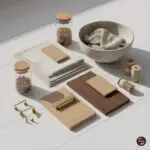
When you genuinely need something new, choose items made from natural, long-lasting materials like:
- Real wood (not particle board or MDF)
- Linen and cotton fabrics
- Wool rugs
- Metal frames
- Glass and ceramic
These materials age beautifully and can often be repaired, unlike synthetic materials that break down quickly.
The Financial Freedom of Underconsumption
Let’s talk about money – because that’s often the biggest motivator for change.
Imagine you typically spend $200 per month on home decor, furniture updates, and trendy items you don’t really need. That’s $2,400 per year. Over 10 years, that’s $24,000 – not including the money you’d save by keeping quality furniture instead of replacing cheap items every few years.
Real Calculation:
- Average cheap couch: $400, lasts 2-3 years = $1,600-$2,400 over 10 years
- Quality used couch: $600, lasts 15+ years = $600 over 10 years
- Savings: $1,000 to $1,800 on just one piece of furniture!
Getting Started: Your First Week
Ready to begin? Here’s your simple action plan:
Day 1-2: Walk through every room in your home. Write down what you have, what works, and what you genuinely need (not want – need).
Day 3-4: Rearrange one room using only what you already own. Move items between rooms if needed.
Day 5-6: Go through your social media and unfollow accounts that make you feel pressured to buy constantly.
Day 7: Make a list of any items you truly need. Before buying anything new, spend the next month searching secondhand options first.
The Bottom Line
An underconsumption core isn’t about depriving yourself or living in an empty house. It’s about making thoughtful choices that:
- Save you money
- Reduce waste going to landfills
- Create a home filled with items you truly love
- Free you from the exhausting pressure to constantly buy new things
- Give you more time and money for experiences, not stuff
As British author Samuel Smiles said in his 1875 book, “Thrift began with civilization. It began when men found it necessary to provide for tomorrow as well as for today”. This isn’t a new idea – it’s actually a return to common sense that our grandparents knew well.
Your home should be a place of peace and comfort, not a constant renovation project. Start small, be patient with yourself, and remember: the most beautiful homes aren’t the ones with the most stuff – they’re the ones filled with items that tell your story and serve your real needs.
Ready to embrace the underconsumption core lifestyle? Start with just one tip from this list today. Your wallet, your home, and the planet will thank you.
Watch the video: The Anti-Haul Home

Author: Mixloo

Silence is Not Golden