
The Shapeshifter Room
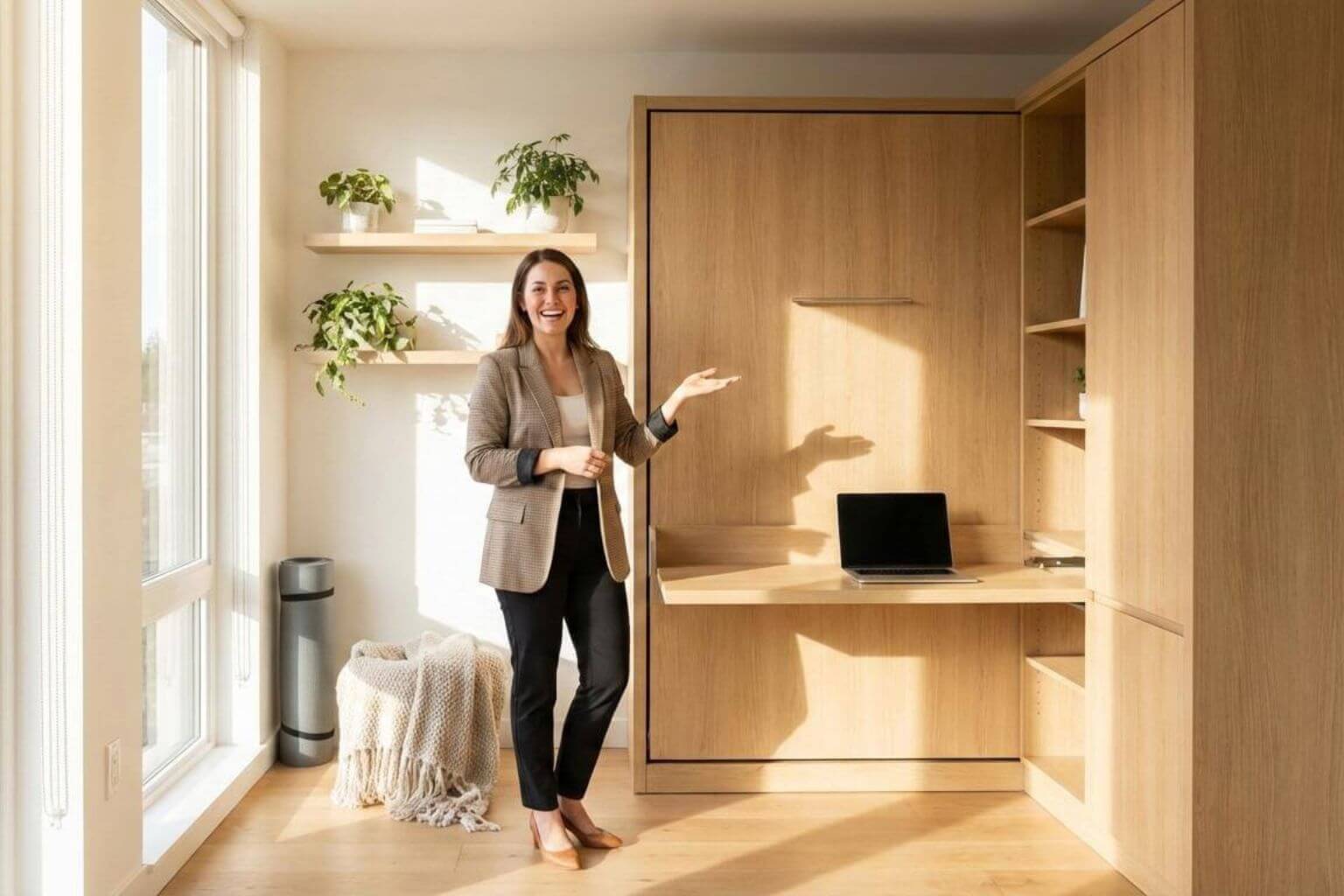
The Shapeshifter Room – Designing Spaces That Do Double Duty
Clever layout hacks for the work-from-home parent with limited square footage
The Problem We’re Solving
Do you work from home in a room that’s also your guest bedroom, exercise space, and kid’s playroom? You’re not alone. According to a 2024 survey of interior design experts, 77% say that having a multifunctional space is the biggest home office trend right now. By 2025, an estimated 36.2 million Americans will be working remotely, and most of us don’t have extra rooms just sitting empty.
Here’s the good news: with smart planning, one room can truly do it all. Let me show you how.
10 Game-Changing Solutions for Your Multifunctional Space
1. The Cloffice: Your Closet Becomes an Office

A “cloffice” is simply a closet that’s been converted into a tiny office. According to design experts, even a small reach-in closet can work – you don’t need a walk-in closet.
What you need:
- A desktop surface (a piece of wood mounted to the walls works perfectly)
- Good lighting (swap that old closet bulb for a brighter fixture)
- A comfortable chair
- Shelves for storage
The best part: At the end of your workday, close the closet doors and your office completely disappears. Your bedroom stays a bedroom.
2. Murphy Beds 2.0: Fold-Down Beds with Built-In Desks
Modern Murphy beds (wall beds that fold up) now come with desks attached. When the bed is up against the wall, you have a full workspace. When you need to sleep or have guests, the bed folds down easily.
What makes them special: The newest designs from 2025 have a clever feature – the desk stays level when you raise or lower the bed, so you don’t have to clear off your coffee cup, laptop, or papers. The desk typically has 17 inches of vertical space underneath for all your items to stay in place.
Real-world pricing: These units typically range from $3,649 for premium models with stay-level shelves to more affordable DIY hardware kits starting around $334.
3. Room Dividers: Creating Zones Without Building Walls
You don’t need to knock down walls or build new ones. Room dividers help you create separate “zones” in one room – a work zone, a sleep zone, a play zone.
Popular options:
- Bookcases (double as storage and dividers)
- Curtains (easy to move and change)
- Wooden slats (let light through but create visual separation)
- Folding screens
These solutions also help with acoustics (sound control), giving you some quiet when you need to focus.
4. Portable Tech: The Rolling Command Center
Instead of a fixed desk, consider a rolling cart. You can wheel your “office” to different parts of the room or even to different rooms as needed. This works especially well if you share your space with others who need it at different times of the day.
5. Acoustic Paneling: Managing Noise
When one room serves many purposes and multiple people use it, noise becomes a problem. Acoustic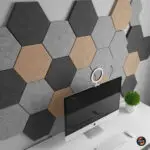 panels absorb sound and reduce echo.
The facts: Recent testing shows that quality acoustic panels can reduce office noise by up to 16 decibels and achieve sound absorption ratings of 0.95-0.96 NRC (Noise Reduction Coefficient), which means they absorb 95-96% of sound. Research also shows that employees can take up to 23 minutes to regain focus after being interrupted by noise .
Where to put them: Install panels at face level on walls where sound bounces most – usually near where people talk, like at your desk or video call area.
6. Lighting Zones: From “Zoom Bright” to “Evening Relax”
Your room needs different lighting for different activities. Smart lighting (which you can control from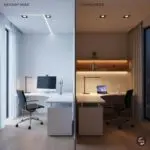 your phone) is now the top choice – 70% of design professionals say homeowners want smart lighting in their home offices.
Three lighting layers you need:
- Bright overhead lights for work and video calls
- Task lighting (desk lamp) for focused work
- Soft, warm lighting for evening relaxation
7. Storage Walls: Hide Your Office at 5 PM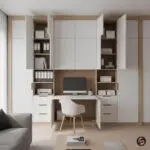
Floor-to-ceiling cabinets with doors can completely hide your work setup. When you’re done working, close the cabinet doors and everything disappears – no papers, no computer, no reminder that work exists.
8. The “Landing Strip”: Creating an Entryway Anywhere
Even in a multifunctional room, create a small “landing strip” near the door – a spot for keys, bags, mail, and shoes. This keeps the room organized and gives everything a home. A small table or wall hooks work perfectly.
9. Furniture with Secrets: Hidden Storage Everywhere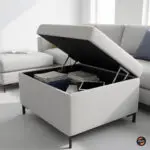
Modern furniture has hidden storage built in:
- Ottomans that open up for storage
- Coffee tables with lift-up tops
- Beds with drawers underneath
- Desks with hidden compartments
This keeps your space looking clean while storing everything you need.
10. Visual Clutter: Closing Shop at Day’s End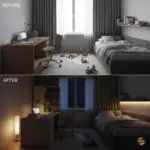
This is perhaps the most important tip: create a routine of “closing shop” each day. Put work items away, close cabinet doors, and transform the space back into its evening mode. This mental and physical separation helps you truly stop working and enjoy your home.
Making It Work: Your Action Plan
Start with these three steps:
- Identify your needs: List all the activities this room must support. Be specific – “work from 9-5, guests 4 times per year, kids’ homework after school.”
- Choose your priority: One function should be primary. According to 2024 research, 91% of experts say people are now more likely to have a home office than a spare bedroom, because the office gets used daily while guests visit occasionally.
- Invest in one major piece: Whether it’s a Murphy bed with a desk, a cloffice setup, or storage walls, one quality multifunctional piece will transform your space more than many small changes.
The Bottom Line
Your home doesn’t need to be huge to work well. According to 2025 trends, multifunctional spaces are not just practical – they’re now considered essential in modern home design. The key is smart planning: choose furniture that serves multiple purposes, create clear zones for different activities, and most importantly, have a system for transitioning the room from one use to another.
Remember: a shapeshifter room isn’t about compromise – it’s about being clever. With the right setup, your space can be a productive office by day, a welcoming guest room by night, and everything in between.
Your homework: Walk through your multifunctional space today. Take measurements. Make notes. Then choose just one solution from this list to implement first. Start small, and watch your space transform.
Have you created a multifunctional space in your home? What solution worked best for you? Share your experience in the comments below!
Watch the video: The Shapeshifter Room

Author: Mixloo


