
The Village You Build

The Village You Build – Cultivating Connection in Adulthood
Overcoming the Loneliness Epidemic by Intentionally Designing Your Social Circle
1. The Friendship Recession: Why We Are Lonelier Than Ever
We’re living through what the U.S. Surgeon General officially declared in May 2023 as a public health epidemic the loneliness epidemic. The statistics paint a sobering picture of our current reality.
According to a January 2024 American Psychiatric Association survey, 30% of adults experience feelings of loneliness at least once a week, while 10% say they are lonely every day. Recent data from Gallup shows that approximately 20% of U.S. adults and an estimated 52 million individuals are experiencing daily loneliness.
The problem hits certain groups particularly hard. 30% of Americans aged 18-34 report feeling lonely every day or several times a week, and single adults are nearly twice as likely as married adults to experience weekly loneliness (39% vs. 22%). Harvard’s Making Caring Common research found that people between 30-44 years of age were the loneliest group, with 29% saying they were “frequently” or “always” lonely.
What’s causing this crisis? According to Harvard’s 2024 survey, 73% of respondents identified technology as contributing to loneliness, followed by families not spending enough time together (66%), people working too much or being too busy or exhausted (62%), and mental health challenges that hurt relationships (60%).
The health consequences are severe. Loneliness is associated with greater risk of cardiovascular disease, dementia, stroke, depression, anxiety, and premature death. In fact, the health risks of chronic loneliness are comparable to smoking 15 cigarettes a day.
The Reality: Adult friendship doesn’t happen automatically like it did in school. We must now intentionally create the conditions for connection.
2. The “Mere Exposure Effect”: Consistency Over Intensity
Here’s encouraging news from psychology: you don’t need dramatic gestures or perfect conversation skills to build friendships. You just need to show up consistently.
The “mere exposure effect,” first documented by psychologist Robert Zajonc in 1968, shows that people tend to develop a liking for things merely because they are familiar with them. In studies of relationships, the more often people see a person, the more pleasing and likeable they find that person.
Research demonstrates this principle powerfully. In classic experiments, Zajonc exposed participants to unfamiliar stimuli varying the number of times each was shown, and those stimuli that appeared more frequently were rated more favourably. The effect works with people too; mere exposure typically reaches its maximum effect within 10-20 presentations.
A fascinating 1950 study by psychologists Leon Festinger, Kurt Back, and Stanley Schachter found that students were more likely to become friends when their rooms were next to each other than when their rooms were on different floors. Even small proximity differences mattered, friendships were more likely to be formed between next-door neighbors than between those who lived just two doors away.
The Practical Application: Friendship builds through repeated, casual encounters rather than forced intensity. The person you see at yoga class every Tuesday will naturally become more familiar and likable over time, even without deep conversations initially.
Action Step: Choose one regular activity and commit to attending consistently for at least 10 weeks. The magic happens through showing up, not through forcing connection.
3. How to Turn “Acquaintances” into “Friends”
Most adults have plenty of acquaintances: the colleague you chat with occasionally, the neighbor you wave to, the person you recognize at the gym. The challenge is deepening these surface-level connections into genuine friendships.
The transition from acquaintance to friend requires intentional escalation. Research on interpersonal relationships shows that friendships deepen through a process of reciprocal self-disclosure and shared experiences.
The Bridge Strategy:
Week 1-2: Extend Beyond the Context
- Move conversations beyond the immediate setting (“How was your weekend?” instead of just “Good workout today”)
- Learn and use their name consistently
- Share something mildly personal about your life
Week 3-4: Suggest a Low-Stakes Extension
- “Would you want to grab coffee after class sometime?”
- “A group of us are getting lunch and want to join?”
- Keep it casual and low-pressure
Week 5+: Create Recurring Touchpoints
- If the first meetup goes well, suggest making it regular
- Introduce them to other friends
- Remember details they share and follow up on them
The Key Principle: Friendships form through cumulative, low-stakes interactions that gradually build trust and familiarity. Don’t wait for the “perfect moment” to deepen a connection and create small moments consistently.
4. The Vulnerability Hangover: Why Opening Up Is Scary but Necessary
After sharing something personal, many adults experience what’s colloquially called a “vulnerability hangover” , that anxious feeling of “Did I share too much? Do they think I’m weird now?”
This fear is a major barrier to adult friendship. We worry about being judged, rejected, or appearing needy. But research consistently shows that appropriate vulnerability strengthens rather than weakens relationships.
The reality is that most people are far more accepting than we fear. Moreover, vulnerability tends to be reciprocal when you share something genuine about yourself, others feel safer doing the same.
Managing the Vulnerability Hangover:
Before Sharing:
- Start with medium-level vulnerability, not your deepest secrets
- Choose people who have shown themselves to be trustworthy
- Remember that everyone has struggles yours aren’t uniquely shameful
After Sharing:
- Recognize the “hangover” feeling as normal, not as evidence you made a mistake
- Resist the urge to apologize or take it back
- Give the other person time to process and respond
What to Share:
- Current challenges you’re working through
- Past experiences that shaped you
- Hopes, dreams, and fears
- Genuine reactions and feelings (not just positive ones)
Red Flags to Watch For:
- Someone who never reciprocates vulnerability
- Gossip or violations of confidence
- Judgment or dismissiveness of your feelings
The Truth: Vulnerability isn’t oversharing, it’s honest communication that allows authentic connection to form.
5. Joining “Third Places”: Clubs, Hobbies, Community Groups
Sociologist Ray Oldenburg coined the term “third places” to describe social surroundings that are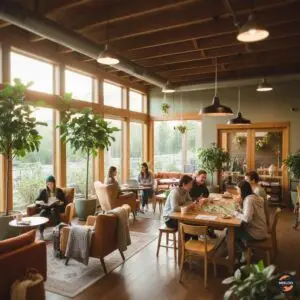 separate from the two usual social environments of home (“first place”) and the workplace (“second place”). These include churches, cafes, bars, clubs, libraries, gyms, bookstores, parks, and theaters.
Research shows these spaces are crucial for combating loneliness. Third places are where we form and deepen friendships and engage in civic and community social life. The most effective ones for building real community are physical places where people can easily and routinely connect with each other.
Unfortunately, third places are closing across the United States, and Americans may be losing access to community sites that help buffer against loneliness, stress, and alienation.
Finding Your Third Place:
Free Options:
- Public libraries (often with book clubs, classes, and events)
- Parks and walking trails
- Community centers
- Religious or spiritual communities
- Volunteer organizations
Affordable Options:
- Coffee shops with community tables
- Local gyms or fitness classes
- Hobby clubs (photography, book clubs, gaming groups)
- Community sports leagues
- Makerspaces or art studios
The Seven Characteristics of Good Third Places: According to Oldenburg, effective third places are:
- Open and inviting (no invitation or appointment needed)
- Comfortable and informal
- Convenient (close enough to visit often)
- Unpretentious (everyone on the same level)
- Have regulars and often a host
- Conversation is the main activity
- Playful and welcoming
Action Step: Identify 2-3 potential third places within 15 minutes of your home. Visit each at least 3 times before deciding if it fits. Look for places with regulars that’s a sign of a thriving community.
6. Hosting 101: The Power of the Dinner Party
Hosting is one of the most powerful but underutilized tools for building adult friendships. When you host, you control the environment, the guest list, and the tone you’re actively creating community rather than passively hoping to find it.
Why Hosting Works:
- It positions you as a connector, which strengthens your social position
- You can curate who meets whom, facilitating friendships beyond just you
- People remember and appreciate hosts
- It demonstrates investment in relationships
- It creates shared experiences that become memories
Starting Small The “No-Stress Host” Approach:
Your First Gathering:
- Invite 4-6 people (small enough to have one conversation)
- Keep it simple: order pizza, do a potluck, or serve one-pot meal
- Duration: 2-3 hours (people can leave without awkwardness)
- Activity optional: board game, movie, or just conversation
As You Gain Confidence:
- Mix friend groups introduce people who’d enjoy each other
- Create recurring events (“First Friday dinners”)
- Develop a signature dish or theme
- Consider rotating hosts among your group
The Secret to Great Hosting: The goal isn’t perfection, it’s creating a warm environment where people feel comfortable. Your guests care more about feeling welcome than about your tablescaping.
Conversation Starters for Groups:
- “What’s been the highlight of your week?”
- “What’s something you’re looking forward to?”
- “What’s a problem you’re trying to solve right now?”
- “What’s been surprising you lately?”
The Follow-Up: Send a quick thank-you message the next day to each guest individually. Mention something specific from your conversation. This reinforces the connection and makes people more likely to attend next time.
7. Men’s Friendships vs. Women’s Friendships: Nuances and Needs
Research shows notable differences in how men and women typically approach and maintain friendships, though individual variation matters more than gender averages.
Common Patterns:
Women’s Friendships Often Feature:
- Face-to-face conversation as primary bonding activity
- Direct discussion of emotions and personal struggles
- Higher frequency of contact
- Emphasis on emotional intimacy and verbal support
Men’s Friendships Often Feature:
- Side-by-side activities as primary bonding (sports, gaming, projects)
- Indirect emotional support (showing up, helping with tasks)
- Humor and teasing as affection language
- Less frequent contact but strong loyalty
The Challenge for Men: Adult men report particularly high levels of friendship difficulty. Many men find that activity-based friendships from their youth (playing sports together) don’t translate well to busy adult life. The cultural expectation that men shouldn’t be emotionally vulnerable adds another barrier.
Solutions for Men:
- Join regular activity groups (basketball league, poker night, hiking club)
- One-on-one activities work better than group hangouts for depth
- Practice small moments of vulnerability (“That’s been tough for me too”)
- Recognize that showing up is a form of emotional support
- Create standing appointments (“Thursday night basketball”) to maintain consistency
Solutions for Women:
- Balance emotional depth with fun and lightness
- Create structured time for friendships (they won’t “just happen”)
- Be mindful of over-giving without receiving reciprocal support
- Develop friendships across different life stages and circumstances
Universal Truth: Both approaches to friendship are valid. The key is finding people whose friendship style matches yours and being explicit about your needs.
8. Navigating Friendship Breakups
Not all friendships are meant to last forever, and that’s okay. Adult friendship endings are rarely discussed but incredibly common.
Common Reasons Friendships End:
- Natural life transitions (moving, marriage, children)
- Growing apart in values or interests
- Imbalanced effort or emotional labor
- Betrayal of trust
- Changed circumstances affecting compatibility
The Fade vs. The Conversation:
The Fade (Appropriate When):
- The friendship has naturally lost momentum
- There’s no specific conflict
- Both parties seem to be mutually drifting
- Action: Respond warmly if they reach out, but stop initiating
The Direct Conversation (Appropriate When):
- There’s a specific issue causing hurt
- You want to salvage the friendship
- The other person keeps pursuing contact you don’t want
- You share a social circle and need clarity
What to Say: “I’ve valued our friendship, but I’m realizing that we’re in different places right now. I need to be honest that I don’t have the capacity for this friendship in the way I used to.”
Processing the Loss:
- Grieve friendship breakups hurt as much as romantic ones
- Resist the urge to villain-ize the other person
- Learn from what worked and what didn’t
- Don’t let one friendship ending prevent you from trying again
The Boundary Check: Sometimes what feels like a friendship ending is actually about needing different boundaries. Before ending a friendship, consider whether adjusting expectations might work: seeing each other less frequently, only in groups, or focusing on specific shared activities rather than all-encompassing intimacy.
9. Digital Friends vs. Real Life Connection
Technology has fundamentally changed how we form and maintain friendships. The question isn’t whether digital connections are “real” clearly they can be but rather how to balance online and offline relationships for maximum wellbeing.
The Research: 73% of survey respondents identified technology as contributing to loneliness in America. Yet 66% of Americans also feel that technology aids in building relationships.
Digital Friendships Can Provide:
- Connection with geographically distant friends
- Community around niche interests
- Support groups for specific challenges
- Lower-stakes initial conversations
- Maintenance of friendships during busy periods
Where Digital Falls Short:
- Cannot replace physical presence and touch
- Algorithmically filtered content creates false sense of connection
- Passive scrolling substitutes for active engagement
- Easy to mistake visibility for intimacy
- Harder to read emotional nuance without body language
The Healthy Integration Strategy:
Use Digital To Enhance, Not Replace:
- Schedule video calls with distant friends
- Use group chats to coordinate in-person hangouts
- Share vulnerable messages, not just highlight reels
- Join online communities that have local meetup components
- Limit passive scrolling; prioritize active engagement
The 50/50 Rule: For every hour of digital social interaction, try to have an hour of in-person connection. If your ratios are wildly imbalanced, you’re likely experiencing the costs of digital connection without enough of the benefits of physical presence.
Signs Your Digital Life Is Hurting Your Real Friendships:
- Scrolling instead of calling when you need support
- Feeling worse after social media sessions
- Declining in-person invitations to stay home on your phone
- Comparing your real life to others’ curated online lives
- Feeling connected but somehow still lonely
Action Step: Choose one online friend or community member and propose an in-person or video meetup. Often the people we feel closest to online are eager for deeper connections too.
10. The “Just Ask” Rule: Initiating Plans Without Fear of Rejection
One of the biggest barriers to adult friendship is assuming that if someone wanted to be your friend, they would initiate. The truth is that most people are waiting for someone else to make the first move.
The Psychological Reality:
- Most people feel just as uncertain about friendship as you do
- People consistently underestimate how much others like them
- Rejection is rarer than we fear, and usually not personal
- The cost of not asking (continued loneliness) is higher than the cost of asking (possible “no”)
The “Just Ask” Framework:
For New Connections: “I’ve really enjoyed talking with you. Would you want to grab coffee sometime?”
For Deepening Existing Friendships: “I’d love to hang out outside of [current context]. Are you free for [specific activity] on [specific date]?”
For Regular Connection: “Would you be interested in making this a regular thing? Maybe every other week?”
For Group Building: “I’m thinking of starting a monthly [dinner party/book club/game night] would you be interested in?”
The Specific Invitation: Vague suggestions (“We should hang out sometime!”) rarely convert to actual plans. Instead: “Would you want to come to [specific place] on [specific day] at [specific time]?”
Handling “No”:
- Assume good faith people are busy, not rejecting you
- Offer an alternative: “No worries! Maybe another time?”
- Try once more later, then let them initiate
- Don’t take it personally their schedule isn’t about you
The Numbers Game: If you ask 10 people to hang out, statistically:
- 3-4 will enthusiastically say yes
- 4-5 will say “yes, but not right now” (follow up later)
- 1-2 will decline
Those 3-4 “yes” responses are the foundation of your social circle. You found them by asking.
Overcoming the Fear:
Before Asking:
- Remind yourself: “The worst that happens is they say no”
- Practice with lower-stakes invitations
- Remember that you’re making it easier for them (they probably wanted to ask too)
After Asking:
- Don’t interpret everything as rejection
- Give people the benefit of the doubt
- Keep initiating with people who respond positively
- Release the pressure not everyone has to become a close friend
The Path Forward: Building Your Village Intentionally
The loneliness epidemic isn’t your fault, but addressing it is your responsibility. The good news? The solution people endorsed most for reducing loneliness is available to almost all of us: “taking time each day to reach out to a friend or family member”.
Your 90-Day Friendship Action Plan:
Days 1-30: Foundation
- Identify 2-3 potential “third places” and visit each 3+ times
- Reach out to 5 existing acquaintances with specific invitations
- Host one small gathering (even just 3 people)
- Set a recurring calendar reminder: “Social connection check-in”
Days 31-60: Consistency
- Maintain regular attendance at your chosen third place(s)
- Follow up on initial connections that showed promise
- Join one ongoing group, club, or class
- Practice one small vulnerability with someone you trust
Days 61-90: Deepening
- Host a second gathering, mixing friend groups
- Initiate plans with people who reciprocated earlier invitations
- Create at least one recurring social commitment
- Evaluate which connections feel most authentic and invest there
Remember:
- Quality matters more than quantity three deep friendships beat twenty surface-level connections
- Consistency beats intensity regular small interactions outperform occasional dramatic gestures
- Initiative isn’t burden you’re not imposing by reaching out; you’re creating opportunity
- Your village won’t build itself but with intention and consistency, it will build
The village you’re looking for isn’t waiting to be found. It’s waiting to be built by you, one small connection at a time.
Sources: This article is based on research from the American Psychiatric Association (2024), Harvard Graduate School of Education’s Making Caring Common project (2024), Gallup National Health and Well-Being Index (2024), U.S. Surgeon General’s Advisory on Loneliness and Isolation (2023), and foundational research on the mere exposure effect by Robert Zajonc and the concept of third places by Ray Oldenburg.
Watch The Village You Build video


