
AI & Personalized Skincare

The Algorithm Will See You Now – Is AI the Best Dermatologist?
Navigating the world of selfie-analysis apps and custom-blended serums
Imagine standing in a store, facing hundreds of skincare bottles. Each one promises to fix your skin problems, but which one is actually right for you? This overwhelming feeling is something millions of people experience every day. The good news is that technology is changing how we choose skincare products, making the process simpler and more personal.
The Problem: Too Many Choices, Not Enough Answers
Today’s skincare shoppers face a frustrating puzzle. Walk into any beauty store and you will find thousands of products claiming to solve your skin concerns. But here is the catch: your skin is unique. What works perfectly for your friend might not work for you at all. This is where artificial intelligence steps in to help.
How AI Scans Your Skin
Modern AI skincare apps work like a smart detective for your face. Here is how they do their job:
When you take a selfie with these apps, the AI analyzes your photo in seconds. According to research from Haut.AI, their platform examines facial images using algorithms trained on over 3 million pictures. The technology can evaluate more than 150 unique facial features, including wrinkles, pores, dark spots, and skin texture.
The AI looks at your photo and compares it to thousands of other skin types it has learned from. It identifies your specific concerns, from acne to fine lines, and provides recommendations based on this analysis. Some platforms, like those used by major brands, report accuracy rates of around 86 percent when identifying skin conditions.
Custom Blending: Your Personal Formula
Several companies now create skincare products mixed specifically for you. Two popular examples are Curology and Proven.
Curology connects you with a licensed dermatology provider who reviews your photos and information. According to their process, providers prescribe a personalized formula containing up to 3 active ingredients chosen specifically for your skin concerns. The formula can include clinically proven ingredients like tretinoin, azelaic acid, and niacinamide. Curology reports that 90.5 percent of patients saw improvement in their acne after 3 weeks of use.
Proven takes a different approach by asking comprehensive questions about your lifestyle, environment, and skin goals. According to a review comparing the two brands, Proven considers factors like the weather where you live (hot and humid versus cold and dry) to create three customized products: a cleanser, day moisturizer with SPF, and night cream.
DNA Testing: Your Genetic Skin Story
Some companies now offer DNA testing to predict how your skin will age. Here is what they look for:
According to research published in scientific journals, studies of twins show that up to 60 percent of skin aging differences can be attributed to genetic factors, while 40 percent comes from environmental factors like sun exposure and lifestyle.
Companies like 24Genetics and ClarityX offer DNA skin tests that examine specific genetic markers. These tests analyze 16 to 28 genetic variations that influence your skin’s collagen production, how you respond to sun exposure, your antioxidant defenses, and inflammation levels. For example, the tests can reveal if you have a genetic predisposition to faster collagen breakdown, which could lead to earlier wrinkles.
After swabbing your cheek and sending the sample to a lab, you receive a personalized report within 2 to 4 weeks. The report identifies your genetic strengths and weaknesses, then recommends specific ingredients and treatments. If your DNA shows you are prone to sun damage, the report might emphasize the importance of daily sunscreen and antioxidant serums.
Understanding the Limitations

While AI skincare tools are impressive, they are not perfect. Here are the honest limitations you should know:
Lighting and Camera Quality Matter: Research published in scientific journals shows that image quality significantly affects AI accuracy. Poor lighting, inconsistent camera settings, and color variations can all compromise the analysis. Some AI platforms, like Haut.AI’s LIQA system, guide users to capture better quality photos by providing real-time feedback on face positioning, lighting, and angle.
Not a Medical Diagnosis: According to systematic reviews on AI in dermatology, these tools are supportive aids, not substitutes for professional medical assessment. They cannot diagnose underlying medical conditions or detect rare skin diseases that were not included in their training data.
Training Data Gaps: AI systems are only as good as the data they learn from. Some early AI systems had bias issues with darker skin tones because they were primarily trained on lighter skin. However, modern platforms trained on diverse datasets now show equal accuracy across all skin tones when properly developed.
Why AI Cannot Replace Your Dermatologist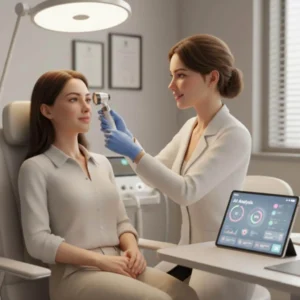
Think of AI skincare tools as helpful assistants, not replacements for doctors. Here is why human dermatologists remain essential:
A dermatologist can feel your skin’s texture, temperature, and firmness during an in-person examination. They can identify concerning changes that require deeper investigation. They understand your complete medical history, including medications and allergies that might affect treatment choices. For serious conditions like skin cancer or severe acne, professional medical care is necessary.
According to dermatology experts, AI enhances dermatological care but cannot replace the clinical judgment and treatment expertise of trained physicians.
Data Privacy: Who Owns Your Face Photos?
Before uploading selfies to any AI app, consider data privacy. Ask these questions:
- Where are my photos stored?
- Who can access my images?
- Will my data be sold to third parties?
- Can I delete my information anytime?
Reputable platforms like Haut.AI use data anonymization, removing personal identifiers and focusing only on skin pixels to ensure privacy. Always read the privacy policy before using any skincare app. Look for platforms that comply with privacy regulations and offer data encryption.
Is Custom Skincare Worth the Extra Cost?
Custom formulations typically cost 2 to 3 times more than generic skincare products. For example, while a basic retinol serum from The Ordinary might cost 10 dollars, custom formulations from services like Curology start around 30 dollars per month.
Is it worth it? That depends on your needs. If you have struggled for years trying different products without success, personalized skincare might save you money in the long run by helping you avoid products that do not work for you. However, if you have simple, stable skin with few concerns, less expensive products might serve you just as well.
Smart Mirrors: Daily Skin Tracking at Home
Smart mirrors represent the next step in home skincare technology. These devices sit in your bathroom and analyze your skin daily using built-in cameras and AI. They track changes over time, helping you see whether your skincare routine is actually working.
While specific smart mirror products vary in availability and features, the concept allows you to monitor progress without taking separate photos each day. This consistent tracking can help identify patterns, like whether your skin improves on weekends when you are less stressed.
The Future: 3D Printing Your Skincare
Looking ahead, researchers are exploring the possibility of 3D-printing personalized skincare and makeup at home. While this technology is still in development, imagine a future where your bathroom printer creates a custom serum each morning based on how your skin looks that day. After a poor sleep or exposure to pollution, your formula could automatically adjust to provide extra antioxidants or hydration.
Practical Tips for Using AI Skincare Tools
If you want to try AI skincare analysis, follow these recommendations for the best results:
- Take photos in natural daylight near a window for the most accurate analysis
- Clean your face thoroughly and wait 30 minutes before taking photos
- Avoid wearing makeup or filters that might interfere with the analysis
- Position your face straight-on to the camera at eye level
- Use multiple apps to compare recommendations and look for consistent advice
- Start slowly with any new products the AI recommends, introducing one at a time
- Track your progress by taking photos every 2 weeks to see real changes
The Smart Approach to AI Skincare
AI-powered skincare tools offer genuine benefits when used wisely. They provide personalized recommendations based on your unique skin, help you make smarter product choices, and can track improvements over time.
However, remember that these tools work best as part of a complete skincare strategy. Use AI analysis to guide your choices, but do not skip professional dermatologist visits for serious concerns. Pay attention to how your skin actually responds to products, not just what the algorithm predicts.
The future of skincare is not about replacing human expertise with machines. Instead, it is about combining the best of both worlds: the detailed analysis that AI provides with the medical knowledge and personal care that only human experts can offer.
Your skin deserves attention that is both high-tech and high-touch. AI tools give you the information you need, but you remain the most important decision-maker in your skincare journey. Start with knowledge, proceed with caution, and always listen to what your skin is telling you.
The Bottom Line: AI skincare technology is here to help, not to replace professional care. Use these tools to make smarter choices, but remember that healthy skin comes from a combination of good products, consistent routines, sun protection, and professional guidance when you need it. Your unique skin deserves a personalized approach, and now technology makes that easier than ever before.
Watch the video: AI & Personalized Skincare


