
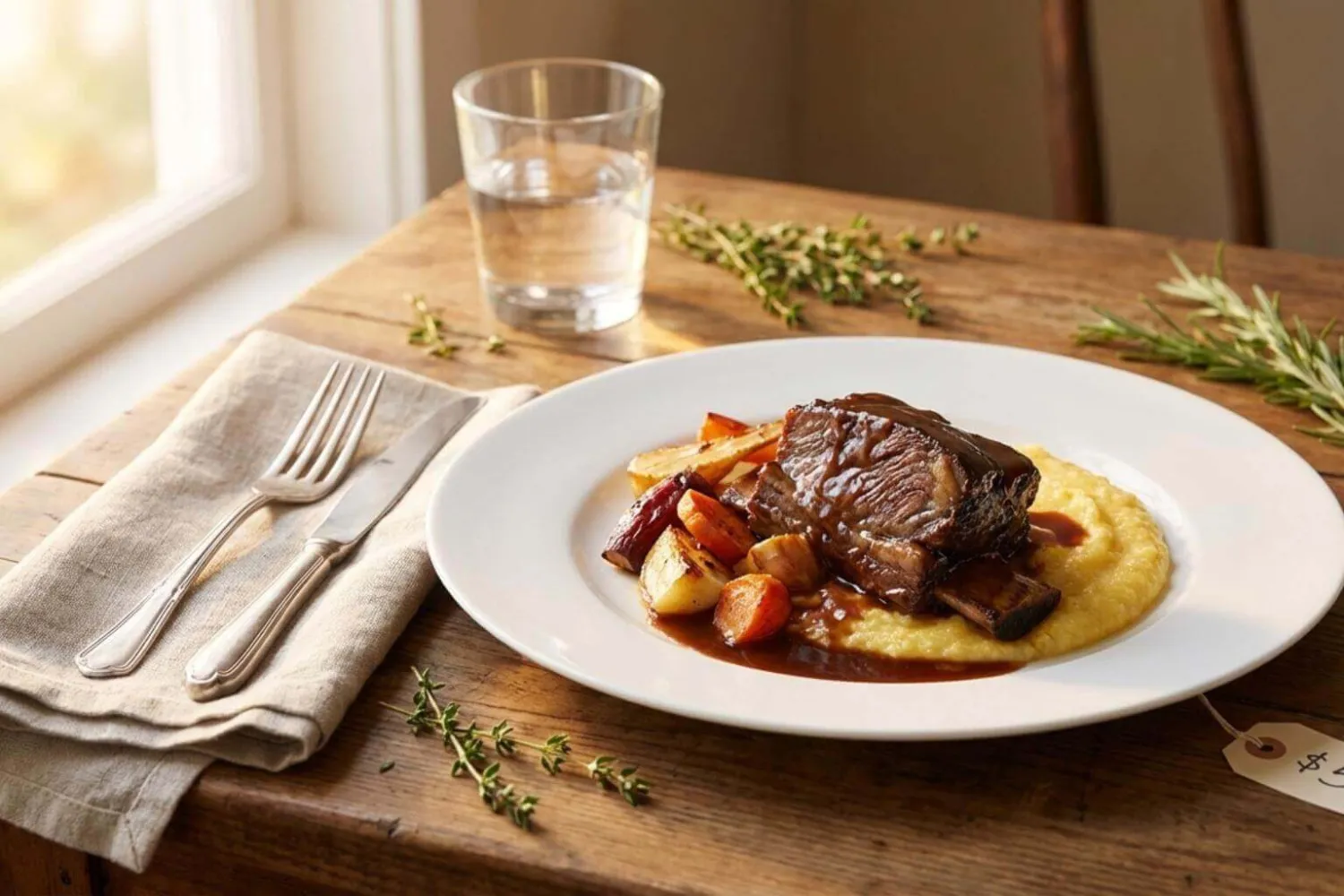
Champagne Taste, Tap Water Budget – How to Cook Like a Chef for Under $5
Mastering the Art of Affordable Luxury with Humble Ingredients
Picture this: you want to host friends for dinner or cook yourself something special, but when you look at your bank account, fancy restaurants and expensive ingredients feel impossible. Here’s the good news: you don’t need a lot of money to eat really, really well. With some smart tricks and the right techniques, you can turn simple, cheap ingredients into meals that taste like they came from a five-star restaurant.
Right now in 2025, the average American spends about $370 per month on groceries, and each meal costs around $3.98 on average according to government meal plans. But what if I told you that with the right knowledge, you could make gourmet meals for even less? Let me show you how.
The “Poor Man’s” Cuts: Turning Tough Meat into Tender Gold
Here’s a secret professional chefs know: expensive cuts of meat aren’t always the most delicious. The cheaper cuts when cooked the right way can be even more flavorful and satisfying.
Why Cheap Cuts Are Actually Better
Beef chuck and shank are good choices because they’re flavorful yet tough hard-working muscles on the cow, which means they’re packed with taste. Chuck roast averages $12.43 per pound, while short ribs come in around $11.86 per pound that’s about half the price of fancy steaks.
The magic happens through a cooking method called braising. Think of it like giving tough meat a long, relaxing bath in flavorful liquid. Braising is a moist heat method that works beautifully for tough cuts of meat that take a longer time to cook. What happens is amazing: the process helps break down the collagen and connective tissue into gelatin, resulting in tender and juicy meat.
How to Braise Like a Pro
Here’s the simple process:
- Brown your meat first: Get a nice golden crust on all sides in a hot pan with a little oil. This builds incredible flavor.
- Add your liquid: Pour in broth, wine, beer, or even just water about halfway up the meat.
- Go low and slow: Cover it up and cook it in a 300°F oven for 2-3 hours, or use a slow cooker all day while you’re at work.
Aromatics such as onions, carrots, and bay leaves are classic additions that make your braised meat taste restaurant-quality. When you’re done, the meat will be so tender you can pull it apart with just a fork.
Budget Breakdown: A 2-pound chuck roast costs about $25 and makes 6-8 servings. That’s roughly $3-4 per person for the main protein.
Egg Luxury: The $3 Dinner Party Star
Eggs are one of the most underestimated ingredients in cooking. A dozen eggs costs about $3-5 (even with recent price increases), and each one is packed with protein and flavor.
Here are five ways to make eggs the hero of your plate:
- Shakshuka: Eggs poached in spicy tomato sauce with herbs
- French Omelet: Fluffy, buttery, and filled with cheese and herbs
- Frittata: Like a thick, fancy egg pie loaded with vegetables
- Eggs in Purgatory: Eggs baked in marinara sauce with crusty bread
- Japanese Tamago: Sweet, layered egg that looks impressive
Budget Breakdown: A dozen eggs at $4 makes 6 two-egg servings = $0.67 per person.
Frozen Over Fresh: When the Freezer Aisle Wins
This might surprise you, but frozen vegetables are often better than fresh ones and they’re cheaper too.
too.
The Science Behind Frozen
Frozen vegetables are frozen so quickly within picking that they don’t have the chance to lose any nutritional content. Meanwhile, fresh vegetables can sit in trucks and stores for days or weeks. According to a University of Georgia study, several frozen fruits and vegetables contain higher amounts of Vitamin A, Vitamin C, and folates when compared to their fresh counterparts.
Frozen vegetables are picked and processed when they are at their most abundant, which means growers can harvest huge quantities at a lower cost, and those savings are passed on to you. Plus, you’re buying 100% edible product with no stems, peels, or waste.
Smart Shopping: Frozen peas, spinach, and other vegetables often cost just a few dollars per bag, and you can use exactly what you need, saving the rest for later.
Budget Breakdown: A bag of frozen broccoli ($2) makes 4 servings = $0.50 per person.
DIY Spice Blends: The 50% Solution
This is where you can save huge amounts of money with almost no effort.
The Bulk Bin Secret
Buying spices from bulk bins shows 41-47% savings over retail jars with minimal freshness degradation when properly stored. One shopper calculated saving at least $25 on just one shopping trip by buying spices in bulk.
Here’s how it works: Instead of buying those tiny jars of oregano for $5, you go to the bulk spice section (found at stores like Whole Foods, Winco, or Bulk Barn) and buy just what you need. One home cook buys cumin in one-pound bags for around $8. That same amount in small jars would cost $30-40.
Pro Tip: Save your empty spice jars and refill them from bulk bags. Store extra bulk spices in the freezer to keep them fresh longer.
Budget Impact: Switching to bulk spices can cut your seasoning costs in half.
Pantry Pasta: Canned Goods, Elevated
A box of pasta costs about $1. A can of tomatoes costs $1. With these basics plus some smart additions, you can create restaurant-worthy dishes.
Simple Transformations:
- Canned tomatoes + garlic + olive oil + fresh basil = Marinara that tastes homemade
- Canned white beans + rosemary + olive oil = Creamy Tuscan-style side dish
- Canned tuna + capers + lemon + pasta = Elegant weeknight dinner
The secret is adding fresh elements (garlic, herbs, lemon) to canned ingredients. These fresh touches wake up the flavors and make everything taste bright and new.
Budget Breakdown: Pasta ($1) + canned tomatoes ($1) + garlic and herbs ($0.50) = $2.50 for 4 servings = $0.63 per person.
Zero-Waste Stocks: Liquid Gold from Scraps
Every time you chop vegetables, you create gold if you know what to save. Those onion ends, carrot peels, celery tops, and herb stems? Don’t throw them away.
How to Make Stock:
- Keep a bag in your freezer for vegetable scraps
- When it’s full, put everything in a pot
- Cover with water, add a bay leaf and some peppercorns
- Simmer for 45 minutes
- Strain and freeze in containers
This homemade stock costs essentially nothing and makes everything taste better soups, rice, pasta sauces, braised meats.
Budget Impact: Free! You’re using scraps that would have been thrown away.
The Beans Renaissance: Beyond Chili
Dried beans are one of the cheapest proteins on Earth. A 1-pound bag costs about $2 and makes 6-7 cups of cooked beans.
Gourmet Bean Ideas:
- White Bean Dip: Blend cooked white beans with garlic, lemon, and olive oil for a creamy appetizer
- Black Bean Soup: Rich, smoky, and deeply satisfying
- Lentil Curry: French lentils with coconut milk and spices
- Bean Salad: Mixed beans with fresh vegetables and vinaigrette
The key is treating beans with respect, seasoning them well, adding fresh herbs, and finishing with good olive oil.
Budget Breakdown: 1 pound dried beans ($2) = 6 servings = $0.33 per person for your main protein.
The Art of Plating: Look Expensive, Spend Nothing
Professional chefs know that presentation is half the battle. Here’s how to make your budget meals look like they cost $30:
- Use white plates: Food looks more expensive on simple white dishes
- Wipe the rim: Clean any drips or smudges before serving
- Add height: Stack food rather than spreading it flat
- Garnish thoughtfully: A sprinkle of fresh herbs, a drizzle of olive oil, or a crack of black pepper makes everything look intentional
- Use odd numbers: Place three things on the plate instead of two or four it looks more natural
Cost: $0 (just takes an extra 30 seconds)
Bulk Buying Strategy: Know Your Stores
Not everything should be bought in bulk, and not everything should be bought at the same store.
What to Buy at Warehouse Stores (Costco, Sam’s Club):
- Cooking oils
- Spices you use often (garlic powder, black pepper)
- Rice and dried pasta
- Canned tomatoes
- Frozen vegetables
What to Buy at Regular Grocery Stores:
- Fresh produce (unless you can use large quantities)
- Specialty spices you’ll rarely use
- Dairy products (unless you have a big family)
What to Buy at Ethnic Markets:
- Spices (often much cheaper)
- Rice and grains
- Specialty ingredients
Budget Strategy: Shop multiple stores once a month for pantry staples, then do weekly shops for fresh items only.
Putting It All Together: A $5 Gourmet Meal
Let me show you how to make an impressive dinner for under $5 per person:
Braised Chicken Thighs with Vegetables and Polenta
- Chicken thighs (on sale): $2.50 per person
- Frozen mixed vegetables: $0.50 per person
- Polenta (cornmeal): $0.40 per person
- Onion, garlic, herbs: $0.30 per person
- Homemade stock: $0 (from scraps)
Total: $3.70 per person
This meal includes tender, flavorful chicken that falls off the bone, colorful vegetables, and creamy polenta all restaurant-quality for less than the cost of a fast-food meal.
The Real Secret: Skills Over Spending
The truth is, cooking well on a budget isn’t about finding magic ingredients or secret grocery stores. It’s about learning a few important skills:
- Know how to braise tough cuts until they’re tender
- Build flavor with cheap aromatics like onions, garlic, and herbs
- Use frozen vegetables without shame
- Make stocks and sauces from scratch
- Buy spices in bulk and blend your own combinations
- Present your food like you care about it
These skills cost nothing to learn but will save you thousands of dollars every year and they’ll make you a confident, capable cook who can create impressive meals from almost anything.
Your Action Plan
Start this week by trying just one new technique:
- Buy one cheap cut of meat and try braising it
- Purchase three spices from the bulk bin instead of jars
- Make a batch of vegetable stock from your scraps
- Try cooking with frozen vegetables instead of fresh
As you get comfortable with each skill, add another. Within a month, you’ll be cooking meals that would cost $20-30 at a restaurant for less than $5 at home.
Remember: champagne taste doesn’t require a champagne budget. It just requires knowledge, creativity, and a willingness to try new things. Welcome to the world of affordable luxury cooking your taste buds and your wallet will thank you.
Watch the video: Champagne Taste, Tap Water Budget

Beyond the Fry


